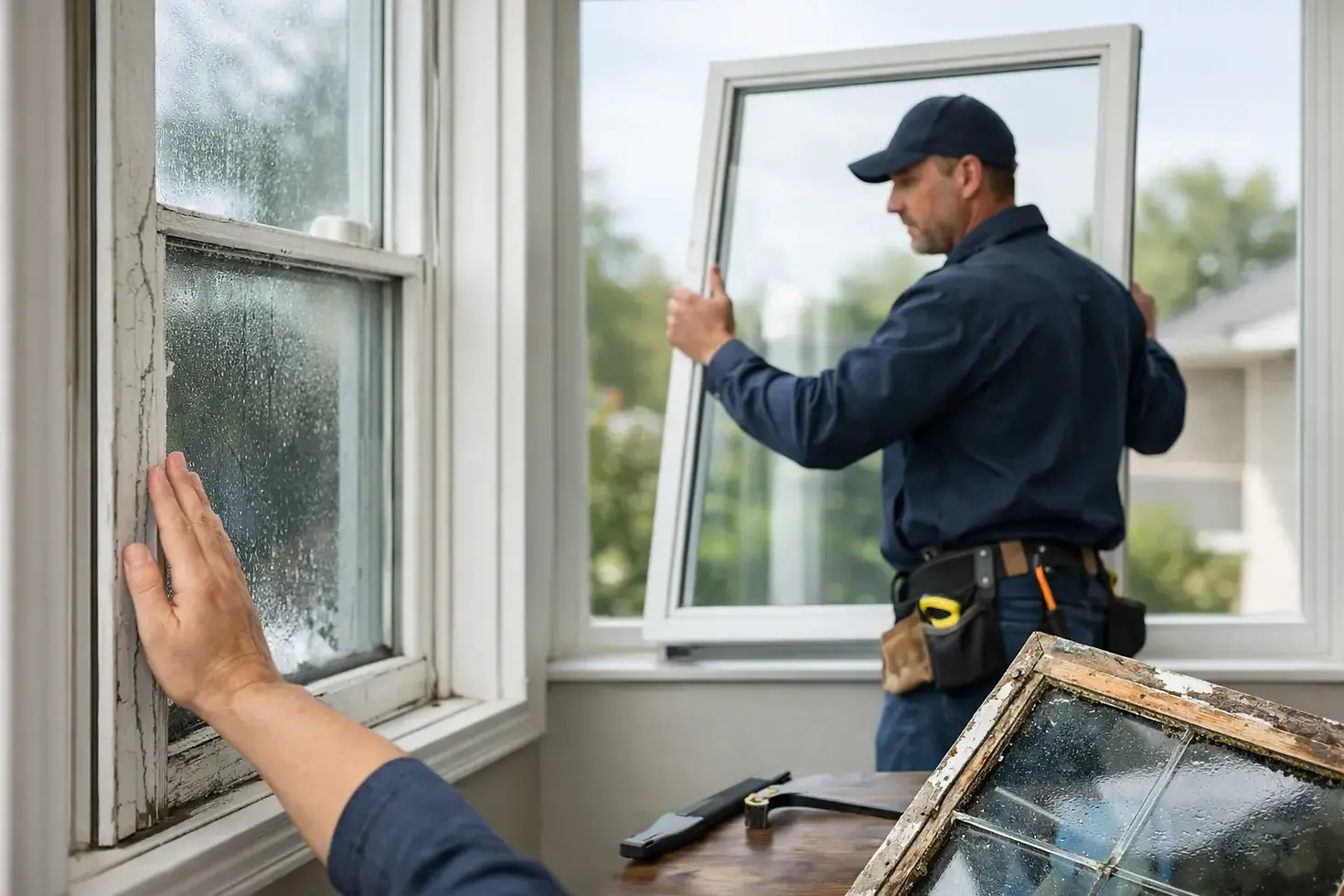
When Should You Replace Windows? 8 Clear Signs

A window can look acceptable from across the room and still be costing you comfort, energy, and peace of mind. If you are asking when should you replace windows, the answer is rarely based on age alone. The better question is whether your windows still protect your home from heat, cold, moisture, noise, and unwanted air movement.
For homeowners in Placer, Nevada, and Sacramento-area communities, windows work hard. They face hot summer afternoons, winter rain, temperature swings, and seasonal smoke. A well-timed replacement can make a home feel more comfortable and prevent small window problems from becoming wall, trim, or flooring repairs.
When Should You Replace Windows? Look for These Signs
1. You feel drafts near closed windows
A noticeable draft is one of the clearest signs that a window is no longer doing its job. Hold your hand near the frame and sash on a cool or windy day. If you feel moving air, the problem may be worn weatherstripping, failed seals, warped frames, or poor operation.
Sometimes a draft can be corrected with adjustment or minor repair. If the window is otherwise solid, opens and closes properly, and has no water damage, repair may be the sensible choice. But when drafts are present at several windows, especially older single-pane units, replacement often provides a more lasting result.
2. Condensation is trapped between glass panes
Condensation on the room-facing side of a window can simply mean indoor humidity is high. Condensation between double-pane glass is different. It usually means the insulated glass seal has failed, allowing moisture into the space between the panes.
Once that seal is broken, the window loses much of its insulating value and may develop a permanent foggy or streaked appearance. In some cases, the glass unit can be replaced without replacing the entire frame. If the frame is deteriorated, difficult to operate, or part of a larger group of failing windows, a full replacement is usually the better long-term investment.
3. The windows stick, will not lock, or are difficult to open
Windows should open, close, and lock without a fight. A sticking window may be caused by paint buildup, dirty tracks, loose hardware, or a simple adjustment. However, repeated difficulty can point to frame warping, swelling from moisture exposure, balance failure, or structural movement around the opening.
This is more than an inconvenience. A window that will not open can limit ventilation and become a safety concern in a bedroom. A window that will not lock is a security issue. Before replacing it, have the window inspected to determine whether a repair will restore safe, reliable operation.
4. You see rot, soft wood, or water stains
Water is the biggest reason a minor window issue becomes an expensive repair. Peeling paint, dark staining on trim, soft wood, bubbling drywall, or a musty smell around a window can all signal moisture intrusion.
The source is not always the glass or window frame itself. Failed caulking, improper flashing, siding gaps, roof runoff, or an installation issue can direct water toward the opening. That is why a careful assessment matters. Replacing a window without correcting the source of water can leave the same problem hidden behind new materials.
If rot has reached the frame, sill, surrounding trim, or wall sheathing, do not put off the repair. The scope may include window replacement along with carpentry and exterior sealing work to protect the home properly.
5. Your energy bills are climbing without another clear cause
Windows are not always the only reason for high heating or cooling costs. Attic insulation, duct leaks, aging HVAC equipment, and exterior doors can all contribute. Still, old or poorly performing windows can make rooms harder to heat and cool, particularly those with strong sun exposure.
Single-pane windows and older aluminum frames commonly transfer more heat than modern insulated options. You may notice a room that gets uncomfortably hot in the afternoon or remains chilly near the glass during winter. Replacement windows with appropriate glass packages can improve comfort, but results depend on correct sizing, installation, shading, insulation, and the condition of the rest of the home.
6. Outside noise has become more noticeable
Windows cannot make a home completely silent, but they should help reduce everyday noise from traffic, neighbors, landscaping equipment, and busy streets. Rattling panes, gaps around frames, and thin single-pane glass allow more sound to travel indoors.
If noise is a concern, window replacement may help, especially when paired with proper air sealing. The best solution depends on the source of the noise and the construction of your walls. A higher-performing glass package may be worthwhile for homes near a main road, but it is wise to discuss the expected improvement before choosing a premium option.
7. The frames are damaged or the glass is cracked
A cracked pane, bent frame, loose sash, or damaged screen does not automatically mean the whole window needs replacement. For newer windows with good frames and available parts, a targeted repair can be efficient and cost-conscious.
Replacement becomes more reasonable when damage affects the structure, weather resistance, operation, or security of the window. It may also make sense when replacement parts are no longer available or when repairing one aging component will not solve broader issues with the unit.
8. You are remodeling or improving curb appeal
Not every window replacement starts with a failure. A kitchen remodel, room addition, exterior repaint, or siding project can be the right time to update windows that no longer fit the home's appearance or function.
This is also an opportunity to improve ventilation, add an egress window where appropriate, change a difficult-to-use style, or replace worn screens and sliders. Planning window work alongside related carpentry, paint, trim, or exterior repairs can reduce disruption and help the finished project look intentional rather than pieced together.
Repair or Replace: How to Make the Call
The decision usually comes down to condition, performance, and the extent of the problem. A single window with worn hardware, damaged weatherstripping, or a torn screen may only need repair. A home with multiple fogged, drafty, hard-to-operate windows and decaying trim is more likely ready for replacement.
Age can offer a useful clue, but it is not a deadline. Quality windows that were installed correctly may last for decades. On the other hand, a newer window exposed to chronic water intrusion can fail early. Focus on how the window performs and whether repairs address the root cause.
It is also worth considering your plans for the property. If you expect to stay in the home for many years, comfort, efficiency, and lower maintenance may justify a larger upgrade. If you are preparing to sell, targeted replacement of visibly damaged or nonfunctional windows may be more appropriate than replacing every window at once.
What to Check Before Scheduling Window Replacement
Before moving forward, take note of which windows have problems and when they occur. Are drafts worse during wind? Does staining appear after heavy rain? Do certain rooms overheat every afternoon? These details help identify whether the issue is the window itself, the installation, or another part of the exterior.
Ask for a clear assessment of the frame, sill, surrounding trim, and wall condition, not just the glass. You should also understand what is included in the scope: removal of the old window, disposal, flashing or sealing, trim repair, caulking, paint touch-up, and screen installation can all affect the final result and price.
For homes in Northern California, it is smart to discuss sun exposure and room use. A west-facing family room may need a different glass option than a shaded bedroom. The goal is not to buy the most expensive window available. It is to choose a well-installed solution that fits the opening, the home, and how your family uses the space.
A professional on-site evaluation can separate a repairable nuisance from a window problem that deserves prompt attention. True Skill Handyman can assess window, slider, screen, trim, and related repair needs with a practical focus on protecting your home and completing the work with care.
The right time to act is before moisture, energy loss, or a hard-to-use window turns into a larger headache. A clear inspection and an honest scope of work give you a sensible path forward, whether that means a small repair today or a planned replacement project later.


Comments