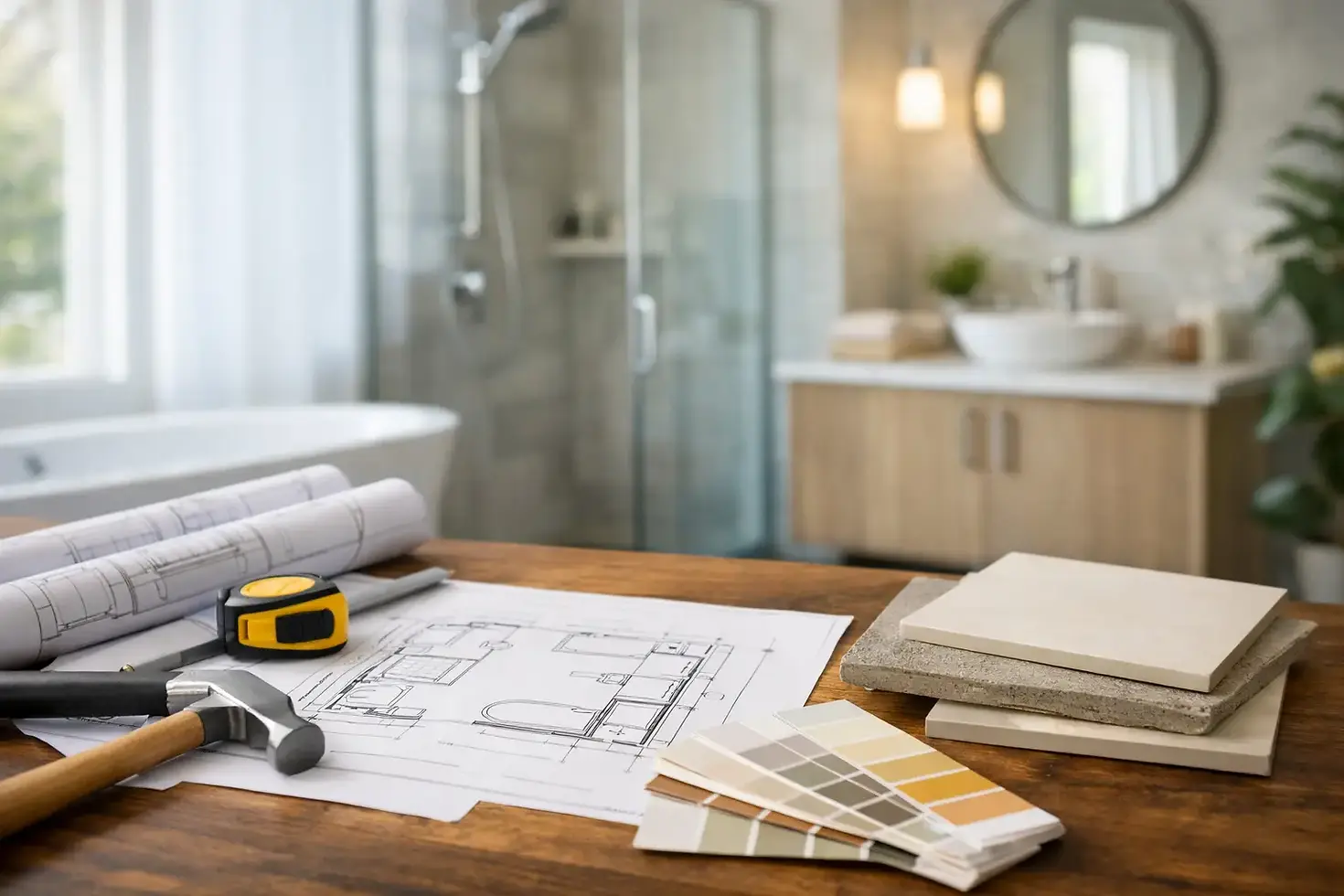
How to Plan Bathroom Remodel the Right Way

A bathroom remodel usually starts with one small frustration that keeps repeating - a shower that feels cramped, a vanity with no storage, tile that never looks clean, or fixtures that show their age no matter how much you scrub. If you are wondering how to plan bathroom remodel work without getting buried in decisions, the goal is simple: make smart choices in the right order before demolition begins.
A well-planned remodel saves money, shortens downtime, and helps you avoid the kind of last-minute changes that slow a project down. It also helps you separate what matters most from what just looks good in a photo. That matters in a bathroom, where every inch, every material, and every plumbing decision affects daily use.
Start with how the bathroom actually works
Before picking tile or paint, take a hard look at what is not working now. In some homes, the problem is layout. In others, it is storage, lighting, ventilation, water damage, or outdated finishes. A remodel goes more smoothly when you know whether you are solving a functional problem, an appearance problem, or both.
Think about who uses the bathroom and how often. A hall bath used by kids and guests needs different materials and storage than a primary bathroom used by two adults every morning. A retiree may want easier access and safer flooring. A busy family may care more about durability than luxury details. Those priorities shape every other choice.
This is also the stage to decide whether you want a cosmetic refresh or a deeper remodel. Keeping the existing tub, toilet, and plumbing locations can save a significant amount of labor. Moving drains, relocating a shower, or changing the footprint can improve the room, but it adds complexity fast. Sometimes that trade-off is worth it. Sometimes it is not.
Set a budget with room for real-world issues
The most common planning mistake is building a budget around finishes only. Homeowners often price the vanity, tile, faucet, and mirror, then get surprised by demolition, plumbing updates, electrical work, drywall repair, ventilation fixes, and waterproofing.
If you want to know how to plan bathroom remodel costs realistically, divide the budget into two parts: visible upgrades and behind-the-wall work. The visible part includes your tile, fixtures, paint, lighting, shower glass, vanity, countertop, and hardware. The hidden part covers labor, prep, disposal, plumbing changes, electrical updates, subfloor repair, framing corrections, and code-related fixes.
Older homes in Northern California can reveal surprises once a bathroom is opened up. Rot around a tub, water-damaged subfloors, out-of-level framing, or outdated wiring are not unusual. That is why a contingency fund matters. Many homeowners do best when they leave some breathing room rather than spending every dollar on finish materials.
A smart budget is not just about the total number. It is about knowing where to spend and where to simplify. If a layout works well, keeping plumbing in place can free up money for better tile or a stronger ventilation fan. If the shower is the daily pain point, that may deserve more of the investment than decorative extras.
Decide what stays and what changes
Once the budget is in place, narrow the scope. This is where planning gets practical.
Ask yourself whether you are replacing everything or only the pieces that no longer serve you. A full remodel may include demolition to the studs, a new tub or shower, vanity, toilet, flooring, tile surround, lighting, fan, paint, trim, and accessories. A lighter remodel may keep the footprint and focus on surfaces and fixtures.
The more clearly you define the scope upfront, the easier it is to estimate time and cost. Scope creep is one of the biggest reasons projects drag on. It often starts with one sentence: “While we’re in here, maybe we should also…” Sometimes that added work makes sense. Sometimes it throws off the schedule and budget for little return.
If you are working with one trusted team that handles multiple trades, scope decisions can be easier because plumbing, flooring, trim, paint, and fixture installation can be coordinated as part of one plan rather than split across several companies.
Layout first, style second
Homeowners naturally get excited about colors and finishes, but layout should come first. The room has to function well before it looks good.
Think about clearances around the toilet, how the shower door opens, where towels will hang, and whether vanity drawers can fully open. In smaller bathrooms, inches matter. A vanity that looks great online may make a tight room feel even tighter. A larger shower may be worth it, but not if it leaves no practical storage.
Lighting deserves more attention than it usually gets. One overhead light is rarely enough. Good vanity lighting makes the room more useful every day, and a proper exhaust fan helps protect the finishes you are paying for. If your current bathroom has fogged mirrors, peeling paint, or mildew that returns quickly, ventilation should be part of the remodel plan, not an afterthought.
Choose materials that fit real life
The best bathroom materials are not always the most expensive. They are the ones that hold up to moisture, cleaning, and daily use.
Porcelain tile remains a strong choice for floors and shower walls because it is durable and widely available in many looks. Natural stone can be beautiful, but it often requires more maintenance. Painted wood vanities can work well, but quality construction matters in a humid space. Quartz countertops are popular for a reason - they are durable, low maintenance, and consistent.
This is also where it helps to be honest about your household. If kids will be using the bathroom, easy-to-clean surfaces and durable fixtures usually matter more than delicate design features. If the bathroom is part of a primary suite, comfort details like better lighting, improved storage, and a more spacious shower may have a bigger payoff.
Trends can help with inspiration, but long-term value comes from choices you will still like in five or ten years. A bathroom does not need to feel boring to stay practical. It just needs a foundation that ages well.
Plan for the timeline you actually need
Bathroom remodels are disruptive because bathrooms are essential rooms, not optional spaces. If this is your only full bathroom, planning around access matters as much as finish selections.
Lead times can affect the schedule more than many homeowners expect. Custom vanities, special-order tile, shower glass, and certain plumbing fixtures may take longer to arrive than standard items. If materials are not selected early, even a straightforward project can stall.
That is why it helps to finalize key selections before demolition starts. At minimum, know your vanity size, tile choice, plumbing fixtures, lighting, mirror plan, and whether you are using a tub, a shower, or both. Waiting until the room is torn apart to make these decisions creates pressure and increases the chances of rushed choices.
If you are hiring a contractor, ask how the work will be sequenced and what could affect timing. Good planning includes realistic expectations. Hidden damage, inspection timing, and product delays can shift a schedule. Clear communication matters more than promises that sound fast but are not realistic.
Know where professional help matters most
A bathroom is one of the worst places to cut corners. Waterproofing, plumbing connections, electrical safety, ventilation, and finish installation all need to work together. A tile shower can look excellent on the surface and still fail early if the prep work underneath is poor.
If you are comparing bids, look beyond the price. Ask what is included, how change orders are handled, who is doing the work, and whether repairs discovered during demolition can be addressed by the same team. Homeowners often prefer a straightforward, time-and-material approach because it shows where the effort is going and allows for flexibility if hidden issues come up.
For many local homeowners, working with an experienced company like True Skill Handyman means fewer handoffs and less stress. When one team can manage the remodeling work along with related plumbing, flooring, trim, paint, and repair needs, the project tends to stay more organized.
How to plan bathroom remodel choices without regret
If you feel stuck between options, come back to three questions: What problem am I solving, what will I use every day, and what fits the budget without forcing shortcuts elsewhere? Those questions usually bring the best answer into focus.
A beautiful bathroom is not built from random upgrades. It comes from a plan that respects the room, the house, and the way you live in it. When the layout makes sense, the materials fit the space, and the work is done with care, the result feels better every morning without demanding constant attention.
Take your time on the front end. A few extra days spent planning can save you weeks of frustration once the work begins.


Comments