How to Do Home Repairs Without Making It Worse

That sticking door, slow drain, loose fence board, or cracked piece of trim usually starts small. The challenge with how to do home repairs is knowing which jobs are truly simple and which ones can turn into bigger damage, wasted time, or a safety issue if handled the wrong way.
For most homeowners, the goal is not to become a full-time DIY expert. It is to keep the house working, protect the value of the property, and avoid making a manageable repair more expensive. That means being honest about your tools, your experience, and the type of repair in front of you.
How to do home repairs the smart way
The best approach to home repair is simple. Start by figuring out whether the problem is cosmetic, functional, or structural. A scuffed wall is different from a door that will not latch, and both are very different from water showing up where it should not be.
Cosmetic repairs affect appearance more than performance. Think chipped paint, nail holes, worn caulk, or minor trim damage. Functional repairs affect how something works, such as a toilet that keeps running, a slider that will not track properly, or a cabinet hinge pulling loose. Structural or system-related issues involve framing, electrical, plumbing inside walls, rot, or anything that could create ongoing damage if missed.
That distinction matters because not every repair carries the same risk. If a patch fails on a wall, you may repaint and move on. If a plumbing or electrical repair fails, the result can be water damage, fire risk, or a much larger bill later.
Start with diagnosis, not tools
A lot of bad repair work begins with the wrong assumption. Homeowners often repair the symptom instead of the cause. You replace caulk around a tub, but the real issue is movement from a soft subfloor. You repaint a stained ceiling, but the leak above is still active. You shave a door edge, but the door is sagging because the hinge screws have loosened into damaged framing.
Before you touch anything, stop and look for the source of the problem. Ask a few basic questions. When did it start? Is it getting worse? Does weather affect it? Is water involved? Has anything nearby changed recently?
Take photos before you begin, especially if the issue may need professional help later. It gives you a record of progression and helps avoid guessing. It also helps if you open something up and need to remember how it looked before.
The repairs most homeowners can usually handle
If you want to know how to do home repairs without creating more work, start with low-risk jobs. These are the kinds of repairs where careful preparation matters more than advanced trade skills.
Patching small drywall holes is a good example. A nail pop, picture hanger hole, or minor dent can usually be repaired with filler, light sanding, and touch-up paint. The trick is patience. Most patch jobs look rough because they are applied too thick or painted before they are fully smooth.
Replacing worn caulk is another practical homeowner task. Around sinks, tubs, and backsplashes, old caulk can crack, shrink, or discolor over time. Removing the old bead completely and letting the area dry before re-caulking makes a big difference. Rushing this step is why many caulk jobs fail early.
Basic hardware repairs also fall into the manageable category. Tightening loose cabinet pulls, replacing a damaged doorstop, installing new weatherstripping, or swapping out a worn screen are straightforward jobs if you measure carefully and use the correct replacement parts.
Paint touch-ups can also be a reasonable DIY job, but only when expectations are realistic. Matching sheen, texture, and existing wall color is often harder than people expect. Sometimes the repair is easy, but blending it invisibly is the real skill.
Repairs that look easy but often are not
Some home repairs seem simple on the surface and regularly turn into frustration. Interior doors are a perfect example. A sticking or misaligned door may seem like it just needs planing or a new latch, but the actual cause could be seasonal movement, settling, hinge wear, or frame distortion.
Window and slider issues can be similar. If a window will not stay open or a sliding door drags badly, the problem may involve worn rollers, balance hardware, track damage, or frame alignment. Replacing one visible part does not always solve it.
Fence repair also gets underestimated. Swapping a board is one thing. Correcting leaning sections, rotted posts, or gate sag usually requires more than surface repair. If the structure is already compromised, cosmetic fixes do not last.
Flooring repairs fall into the same category. A loose transition strip or squeak may be easy enough. But soft spots, lifting planks, broken tile, or moisture damage underneath need a more careful approach. What seems like a flooring issue may really be a subfloor issue.
Know when safety changes the answer
There are times when the right answer to how to do home repairs is not doing them yourself at all. Electrical work is high on that list. Replacing a simple switch plate is one thing. Diagnosing a dead circuit, changing wiring, or dealing with repeated breaker trips is another. If you do not know exactly what you are looking at, it is not worth the risk.
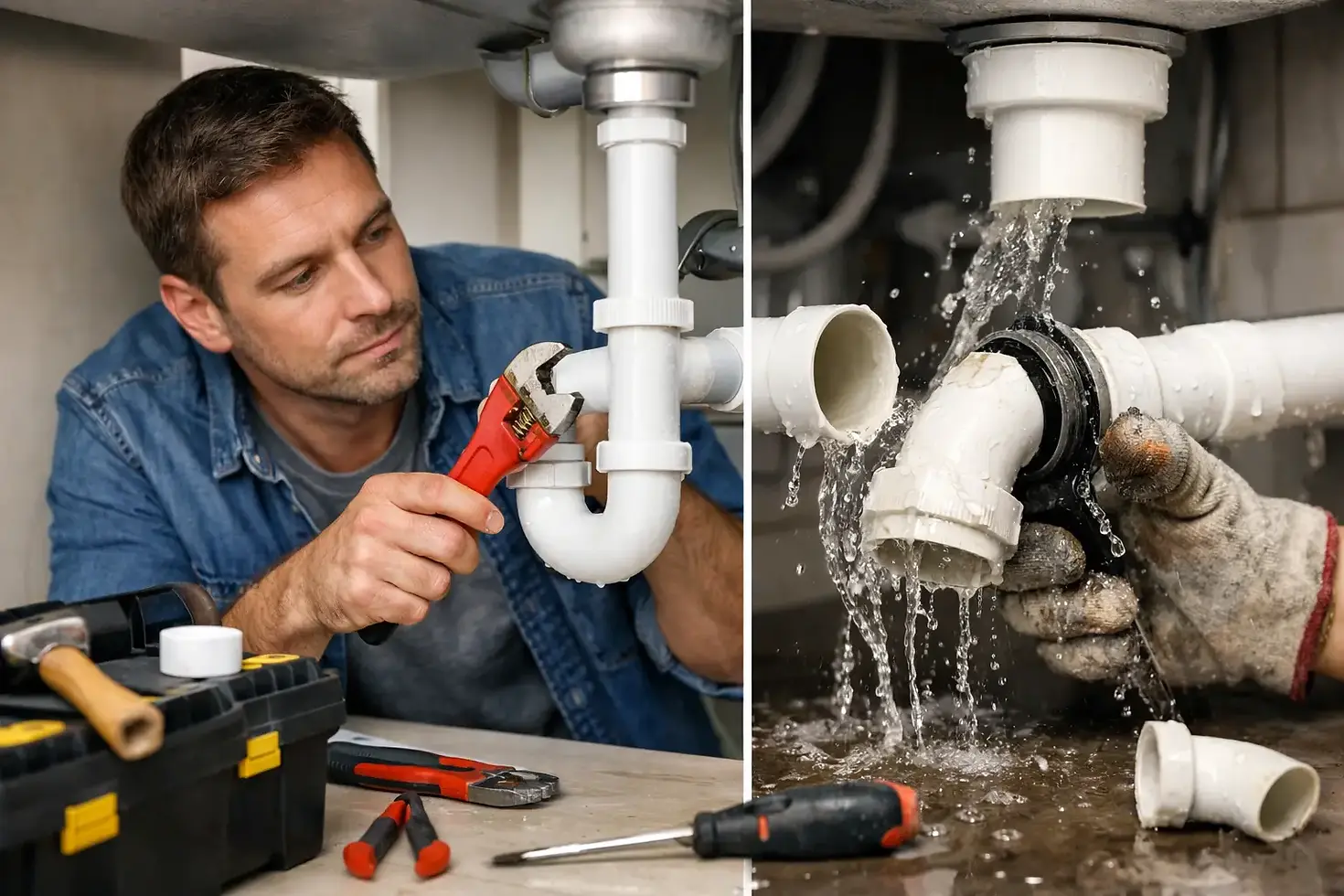
The same goes for plumbing when water can spread behind walls, under floors, or into cabinets. A visible drip under a sink might be a straightforward connection issue. A leak from a shower valve, wall line, or drain assembly can involve hidden damage, mold risk, and access work that needs to be done cleanly.
Any repair involving ladders, roof edges, structural framing, glass, or power tools beyond your comfort level deserves a pause. Saving money never feels worthwhile if the repair creates a personal injury or major property damage.
How to decide whether to DIY or hire a pro
A good rule is to weigh four things: risk, tools, finish quality, and time. If the repair has low risk, needs common tools, and the finish does not need to be perfect, DIY may make sense. If the repair affects safety, requires specialty tools, needs a polished result, or could uncover hidden problems, professional help is usually the better route.
Time matters more than people think. Many homeowners are fully capable of doing a repair, but not in a practical way. A project that takes a professional two hours can take up an entire weekend if you are making supply runs, watching tutorials, and correcting mistakes as you go.
That is especially true with finish carpentry, door installation, bathroom repairs, and paint prep. The repair itself is only part of the job. Getting everything square, smooth, sealed, and finished properly is where experience shows.
A better way to think about repair costs
The cheapest repair is not always the least expensive one. If a temporary fix fails, you may end up paying twice - once for the first attempt and again for the proper repair, plus any added damage in between.
That does not mean every small issue requires a contractor. It means cost should be measured against durability and consequences. Replacing a little caulk yourself is sensible. Guessing your way through a shower leak behind tile is not.
Many homeowners in Northern California are balancing busy schedules, older home maintenance, and a growing list of unfinished projects. In that situation, there is real value in having one dependable team handle multiple repairs correctly instead of piecing the work out or letting problems sit.
If you do tackle a repair, set yourself up right
Preparation is what separates a clean repair from a frustrating one. Read the product instructions before opening anything. Shut off water or power when needed. Protect flooring and nearby surfaces. Measure twice. Give fillers, caulks, adhesives, and paint proper cure time instead of pushing the timeline.
Keep your expectations honest. A repair that is solid, safe, and neat is the goal. Perfection is not always realistic on the first try, especially when matching older finishes or working in homes with wear and age.
If the repair starts expanding once you open the wall, remove the trim, or inspect underneath, that is your signal to reassess. There is no shame in stopping before a manageable project becomes a costly one.
For homeowners who want the job done right the first time, True Skill Handyman works with the kind of repair lists that rarely stay limited to one trade. Doors, trim, plumbing fixes, windows, fence issues, paint, flooring, and bathroom updates often overlap, and having an experienced local team matters.
A well-maintained home does not come from tackling everything yourself. It comes from making good calls early, handling the simple fixes with care, and bringing in skilled help when the repair needs more than a quick patch.


Comments